Zakopane Style, a living tradition of plant motifs and Highlander architecture
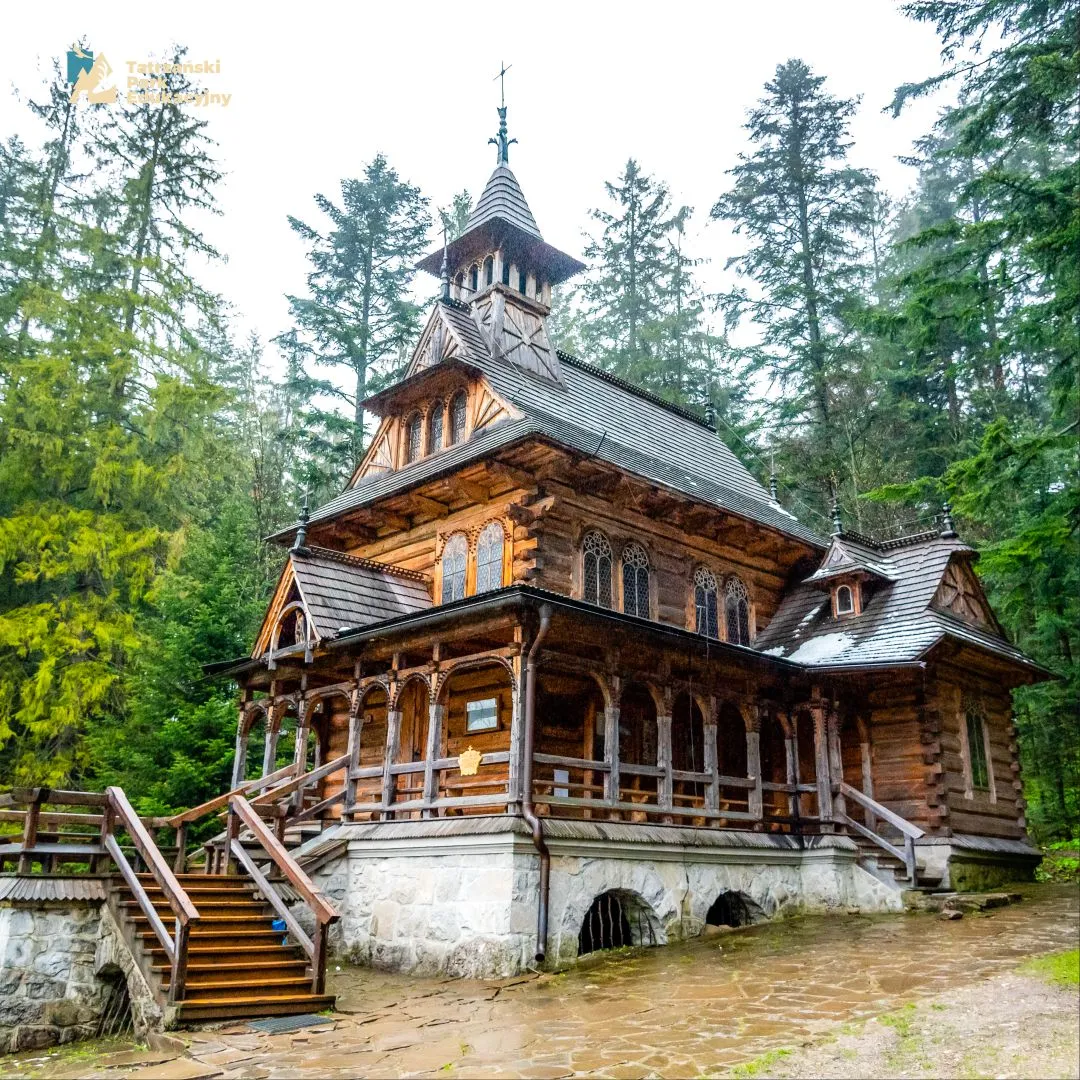
The Zakopane Style, a living tradition
When visiting the museums, galleries, historic churches, stylish inns and homes of native Highlanders in Zakopane, what catches the eye is the rich ornamentation of interiors, architectural details, furniture, decorations and even everyday objects. The motif woven through these intricate designs comes from Tatra plants.
The martagon lily, queen of Highlander ornament
The most common floral motif in Highlander decoration is the martagon lily (lilia złotogłów). This beautiful flower is fairly common in the Tatras at the lower forest level, producing wonderful pink flowers, and it is no wonder that it stole the heart of Stanisław Witkiewicz, creator of the Zakopane Style, who introduced this motif into use.
Earlier, back in the 19th century, other plants led the way in decoration: the beautiful white flower of parnassia (dziewięciornik) and honesty (miesiącznica trwała). Witkiewicz also introduced other plant motifs, including ferns and viburnum, but these did not take root permanently.
18 plants in the culture of Podhale
Altogether, in the culture of Podhale, not only in wooden ornamentation but also in costume decoration, embroidery and metalwork, motifs of as many as 18 plants appear, of which ethnographers can clearly identify 10 species. The most frequent are the martagon lily, edelweiss and silver thistle, slightly less often the aforementioned honesty, bellflowers or spruce cones.
Sosrąb, the heart of a Highlander home
The most important place in a Highlander home where we can admire ornamentation is the sosrąb, a beam near the ceiling running the entire length of the room. It serves a structural purpose, stiffening what laypeople call the ceiling.
On the sosrąb, both on its side and underside, you would find a rosette carved using woodcarving techniques alongside other decorative motifs, the building’s construction date, often the names of the carpenter or owner, and sometimes a fragment of a prayer asking for blessing upon the home. To this day, even in modern Highlander houses, the tradition of displaying and decorating the sosrąb is still alive.
Zakopane, where tradition meets the present
During your visit to Zakopane, beyond admiring the local nature, we encourage you to delve into the unique, living culture of this place. It is one of the regions in our country where history and tradition are authentically present in modern, everyday life.