Avalanche danger levels in the Tatras, when to be especially careful
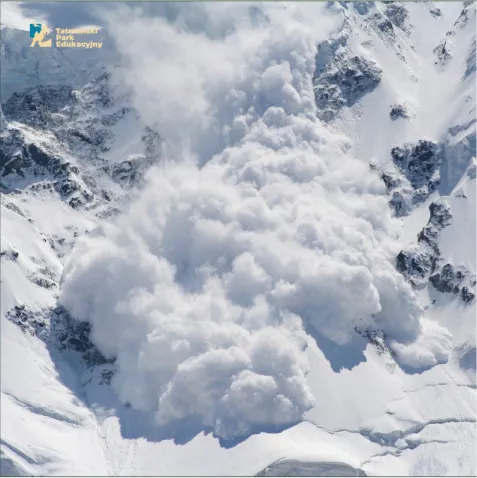
When to be especially careful about avalanches?
As avalanche danger level 2 is currently in force in the Tatra Mountains, the level during which the most accidents occur, we come today with a dose of knowledge about avalanches.
What factors affect avalanche formation?
Avalanche danger increases as you move above the treeline, however many factors influence avalanche formation:
- snow cover load
- slope gradient
- slope aspect (sun exposure)
- weather conditions (wind and temperature)
- human and animal factors
- acoustic phenomena
Knowledge of the causes and risks associated with avalanches should therefore be virtually mandatory before heading into the mountains.
5 avalanche danger levels
The avalanche danger scale estimates the thickness and stability of the snow cover on mountain slopes.
Level 1 (low) — the snow cover is stable. Small avalanches may occur but mainly on extreme gradients.
Level 2 (moderate) — in some places the snow cover is less stable. Choose routes with gentle gradients, avoid steep slopes.
Level 3 (considerable) — spontaneous release of medium sized avalanches is possible, snow is poorly bonded.
Level 4 (high) — move only on small and gentle slopes. Knowledge of avalanche risk assessment should be at a very high level. Venturing into high mountain terrain is discouraged.
Level 5 (very high) — with such poorly bonded snow, there is a high probability of frequent, even spontaneous release of large avalanches.
Avalanche training and courses
People heading into the mountains in winter should complete appropriate avalanche training and courses, so that in an emergency they can act effectively (regarding the use of rescue equipment and emergency procedures).
As always, we appeal for caution and to remember, even when you are an expert, that the avalanche does not know that you are one…