The richness of Highlander folklore - dialect, costume, music and traditions of Podhale
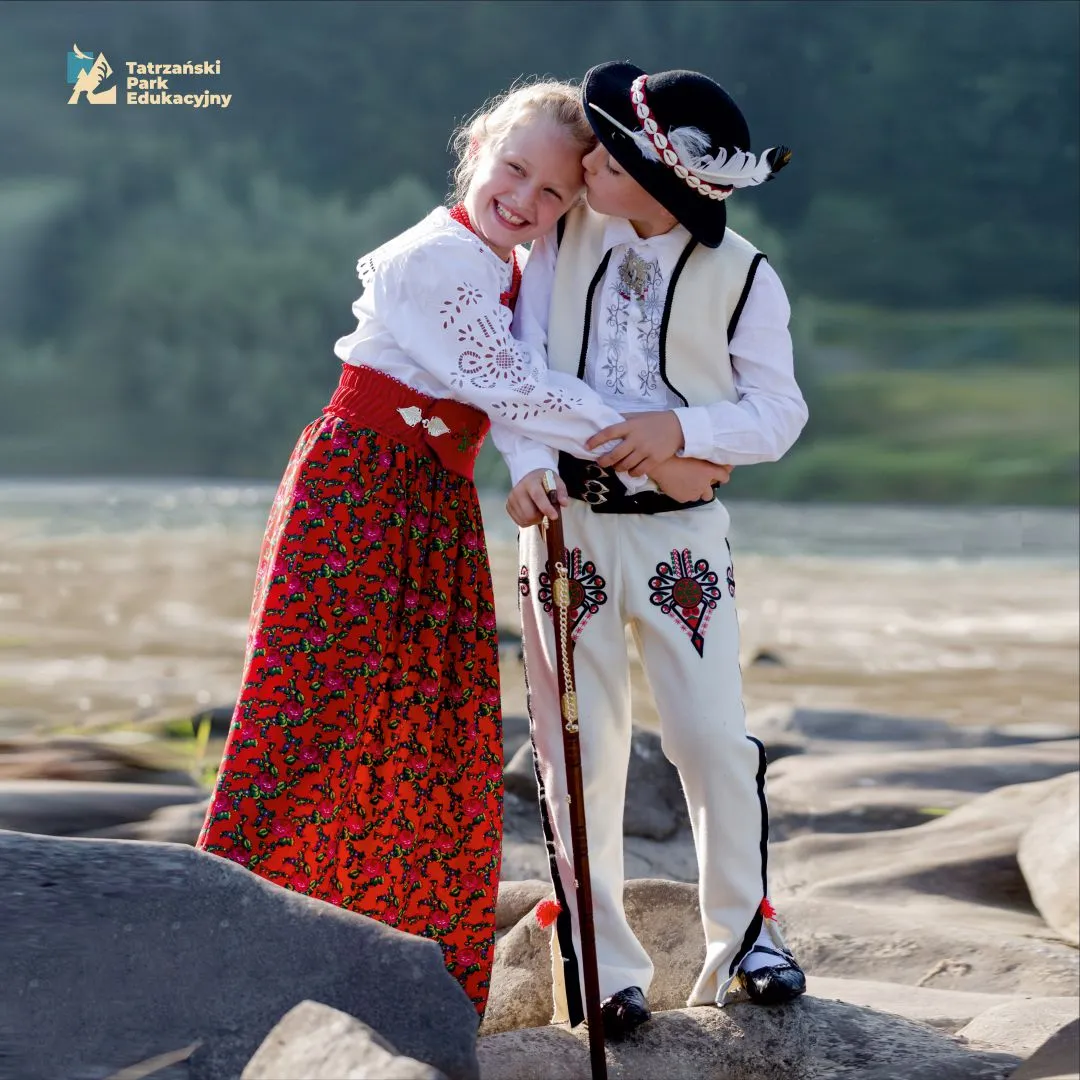
Highlander folklore never ceases to fascinate visitors. It consists of many factors and elements of Highlander tradition, but they can roughly be divided into: dialect, the Highlander costume, music and art, architecture, cuisine, and customs rooted mainly in pastoral wanderings and a nomadic lifestyle, as well as those connected with Polish religious celebrations.
The Highlander dialect (gwara) deserves special attention. It is distinctive thanks to its intonation and the way of accenting the first syllable. Today it is somewhat affected by external influences, but still full of original phrases and lively, evolving with the times (somewhat like neologisms in other languages).
The Highlander costume, today worn on most occasions for special events, is constantly changing, but within an established canon. This means it is one of, if not the only, folk costume in Poland that has something resembling fashion. Its characteristic elements such as the feathered hat, ciupaga (shepherd’s axe), traditional clasp and floral-patterned skirt take on different arrangements year by year, and their makers compete in creativity (something quite different from what we now observe in the realm of so called „regional souvenirs”).
The originality of Highlander music has for centuries amazed visitors with its harmony and rhythm, as well as the well-regarded performance variation tied to the creative inventiveness of the musician or singer.
Highlander art is mainly associated with decorative patterns visible on everyday objects, in architecture, clothing, as well as in painting and sculpture.
The steep gabled roof and the use of płazy (horizontally cut wooden logs) in Podhale architecture are another characteristic element of the regional landscape.
Highlander culinary specialties such as kwaśnica (sour soup), moskol (potato flatbread), placki po zbójnicku (highlander pancakes) or herbata góralska (Highlander tea) are the food of simple shepherds, and a large part of the customs is connected with sheep grazing on mountain pastures (hale).
In general, it can be stated that only some customs (mainly those related to the liturgical year) have a different origin than the simple pastoral life.