The phenomenon of Highlander culture - folklore and traditions of Podhale
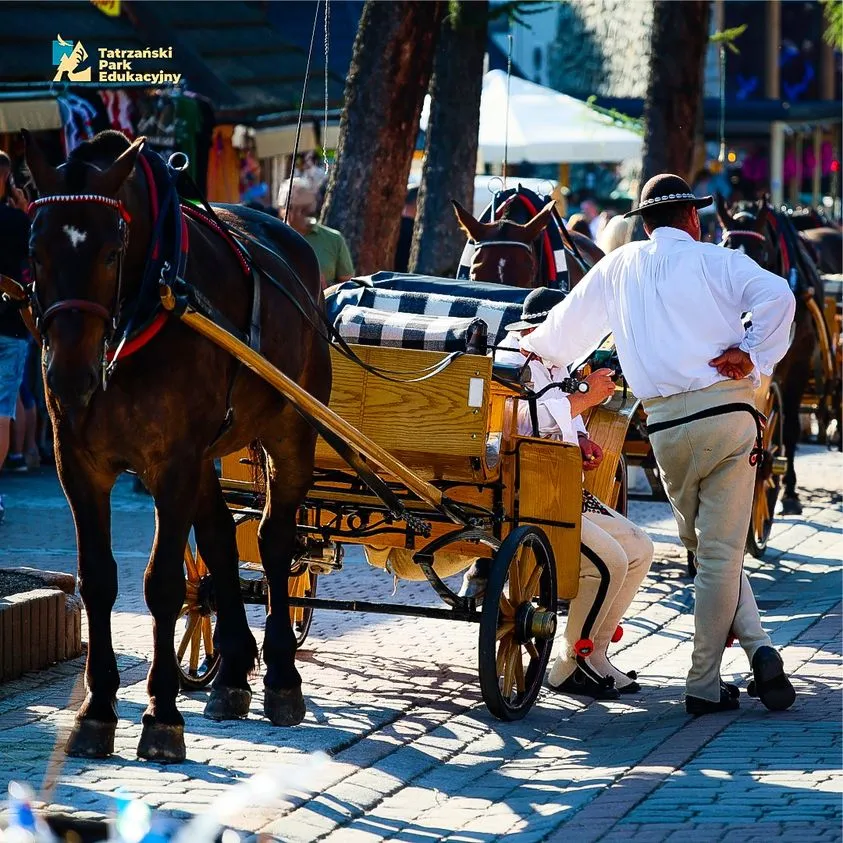
We all associate Zakopane, the Polish Highlanders (górale) and Podhale folklore with a wealth of patterns, a unique style and originality, both in costumes and in elements of architecture and art.
However, we must remember that the uniqueness and richness of Highlander folklore was not something most people could devote a great deal of time to. What is more, all of this took shape against the backdrop of a struggle with a very harsh and difficult environment.
Usually, all the things invented by people living here had to be maximally useful, while at the same time made from available resources. This applies to clothing, cuisine and construction. On the other hand, customs, music and tradition have their source in something that constitutes the unburdened nature of man, in which there is no shortage of passion, excitement, but also drama and hardship.
In our mind’s eye we can see Józek, who first built a very practical log cabin and when his neighbor Władek did something similar, thought… hmm, maybe I should do something a little different, so as to be a bit better than Józek, and added, for example, a decorative board finishing the gable of the roof. Similarly Maryśka, who peeked at her neighbor’s embroidery during Sunday Mass and decided that she would use it and do something even more elaborate on her own bodice. This is, of course, just a hypothesis, but this healthy human competition fueled the creativity and ingenuity of the Highlanders, which over the years led to the creation of such a unique style.
“Highlander culture is not great because it is Highlander, but because it is human.” Father Józef Tischner
Every generation has made and continues to make efforts to add some part to the tradition so that Highlander culture remains alive.
Today this symbolism, just as in the past, serves the Highlanders. Great changes are currently taking place in Podhale, not all of them positive of course, but despite the fact that most inhabitants work in tourism or participate in it, and only a few still do what their forefathers did, most Highlanders retain a strong sense of their own identity. Customs, dress, music and dialect are still very much alive, and only superficially have they been lost to various arrangements made for visitors.